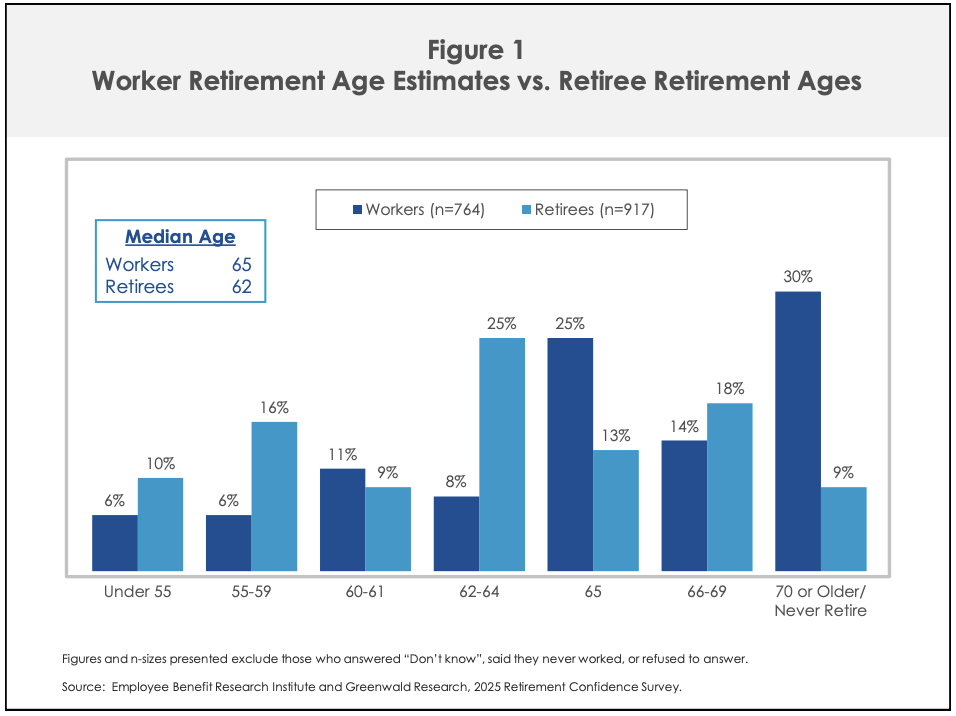
The Retirement Confidence Survey shows a persistent gap between the age workers expect to retire and the age retirees actually did. Working longer can strengthen a plan, but only when it stays a choice rather than the plan itself.

One of the biggest retirement trends I’m seeing this year isn’t about the stock market—it’s about people delaying retirement.
Some are choosing to continue working because they enjoy what they do. Others are working longer because they’re concerned about inflation, healthcare costs, a potential 22% decrease in Social Security income in 2033, or whether their savings will last as long as they do.
According to the Retirement Confidence Survey graph below, there is a big gap between when active workers expect to retire and when retirees say they actually did.
The reality is this:
Working longer can strengthen a retirement plan—but only if it’s a choice, not a necessity.
Delaying retirement may provide several benefits:
However, relying on working longer as your only retirement strategy can become risky.
The question isn’t simply:
“Can I keep working?”
A better question is:
“If I couldn’t work next year, would my retirement plan still work?”
That’s the confidence every retirement plan should strive to provide. Retirement isn’t about reaching a particular age. It’s about reaching financial independence, whatever that means to you.

This week’s biggest market news came from a welcome source: inflation.
June’s Consumer Price Index (CPI) came in lower than economists expected, suggesting inflation pressures continue to ease after several challenging years. Markets responded positively, Treasury yields moved lower, and investors became less convinced that the Federal Reserve will need to raise interest rates at its July meeting.
The latest report showed encouraging progress toward bringing inflation under control, although prices remain above the Federal Reserve’s long-term goal. Lower gasoline prices provided meaningful relief, while core inflation, which excludes food and energy, also remained relatively subdued.
Even with improving inflation data, the Fed isn’t ready to declare victory.
Officials continue watching:
For now, markets believe the Fed is more likely to leave interest rates unchanged later this month than raise them immediately.
Several of the nation’s largest banks are kicking off second-quarter earnings season this week. Investors will be watching closely for updates on consumer borrowing, business lending, and overall economic health.
Probably…nothing.
One encouraging inflation report doesn’t change a retirement strategy.
Trying to predict every Fed meeting or market movement rarely improves long-term outcomes.
Instead, continue focusing on:
“Your retirement plan should be built to survive both good headlines and bad ones.”
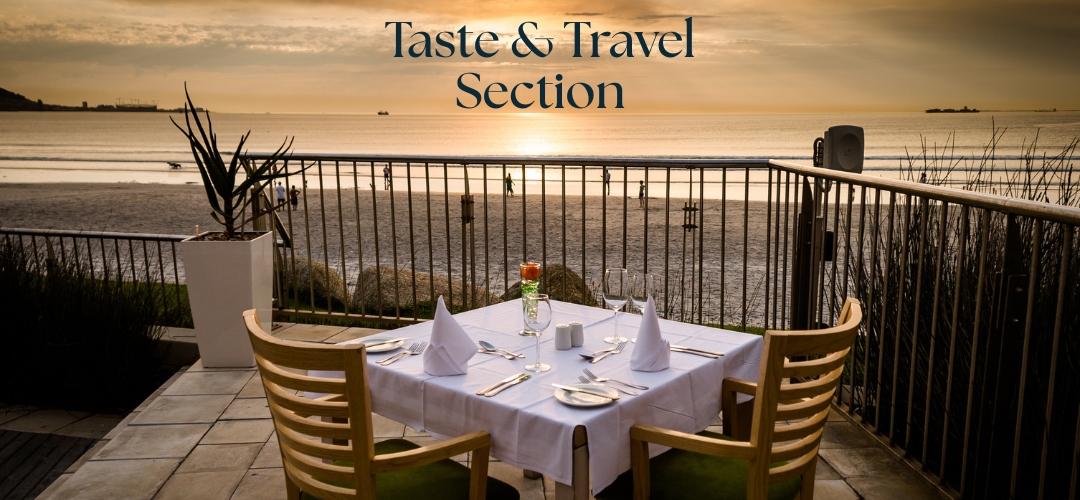
If you’ve never visited Door County, put it on your retirement travel list.
Located between Green Bay and Lake Michigan, this peninsula offers charming waterfront towns, scenic drives, wineries, art galleries, lighthouse tours, and spectacular sunsets.
It’s the kind of place where slowing down feels natural.
Sometimes the best vacations aren’t about checking off landmarks.
They’re about enjoying a slower pace.
This heart-healthy meal is packed with lean protein, healthy fats, and colorful vegetables.
Ingredients
Light, refreshing, and perfect for summer evenings.
Bonus: It’s excellent the next day for lunch.
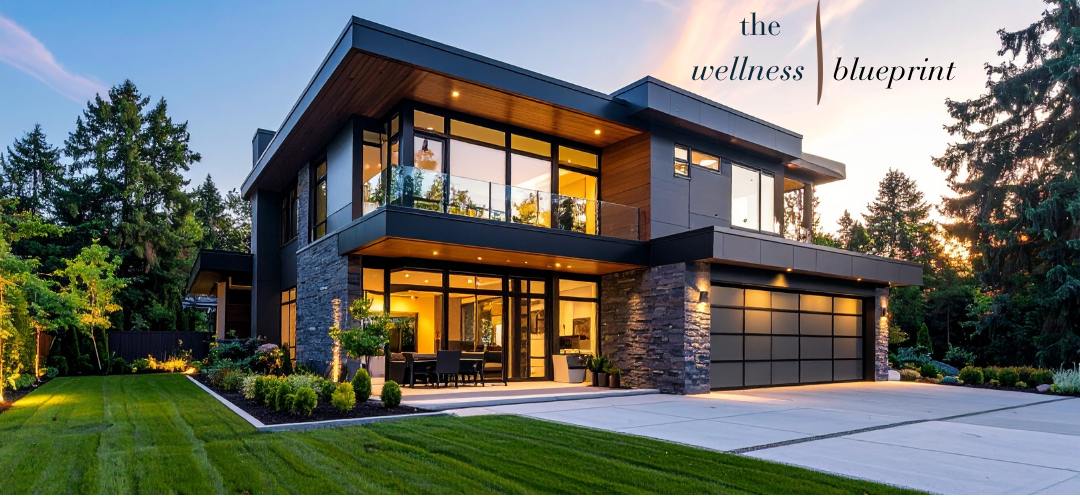
One of retirement’s biggest decisions isn’t financial. It’s where you’ll live.
Many homeowners assume they’ll age in place. Others immediately think about downsizing.
The right answer depends on your lifestyle—not your age.
Ask yourself:
Sometimes spending $15,000 to improve accessibility makes more sense than spending hundreds of thousands relocating.
Other times, simplifying life by moving closer to family can be the best investment you’ll ever make.
Neither decision is right for everyone.
What’s important is making the decision intentionally—not during a crisis.
Danny’s Wellness Tip:
Aim for 150 minutes of moderate exercise each week.
Walking, swimming, pickleball, cycling, strength training, and even gardening all count.
Movement is one of the best investments you’ll ever make.

There’s a reason pickleball courts keep popping up across the country.
It’s social, it’s affordable and it’s easy to learn.
And it’s one of the best ways to stay active without placing excessive stress on the joints.
Not interested in pickleball? That’s okay. Retirement should include activities that keep both your body and your calendar active.
Ideas worth trying:
And if participating isn’t your thing…
There’s nothing wrong with grabbing a hot dog at the ballpark and cheering on your favorite team. Retirement isn’t about slowing down.
It’s about finally having time for the things you’ve always enjoyed.
It depends.
Many people assume entering retirement debt-free is automatically the best financial decision. Sometimes it is, but not always.
Before writing that final mortgage check, consider:
There’s no universal answer. The goal isn’t simply eliminating debt; its creating a retirement income plan that gives you confidence every month.
Know someone who’s within 10 years of retirement—or already enjoying it?
Forward this newsletter to them. If they enjoy practical retirement planning tips without the financial jargon, encourage them to subscribe so they never miss an issue.
Retirement isn’t simply about accumulating wealth.
It’s about creating the freedom to spend your time where it matters most—with family, friends, meaningful experiences, and the hobbies you’ve worked so hard to enjoy.
Until next Tuesday…plan wisely, live fully, and enjoy the journey.

